


WHY durable recycled materials APPAREL IS ESSENTIAL FOR CIRCULAR FASHION AND ESG GOALS
WHY DURABLE RECYCLED MATERIALS APPAREL IS ESSENTIAL FOR CIRCULAR FASHION AND ESG GOALS
As sustainability regulations tighten and consumer expectations evolve, durable recycled materials are emerging as a smart, future-proof choice for eco-conscious businesses. At IQONIQ, we’re leading the shift with promotional clothing made from single-fibre fabrics like organic and recycled cotton or recycled polyester. Durable recycled materials make it easier to trace materials, verify environmental claims, and recycle garments efficiently, paving the way for a truly circular, zero-waste future in fashion. Discover how durable recycled apparel can elevate your brand’s credibility, align with ESG goals, and reduce environmental impact.
IMPROVED TRANSPARENCY AND CREDIBILITY
Using a single fibre allows for clear and verifiable sourcing. With the increasing regulation of environmental claims (such as the EU Green Claims Directive) durable recycled materials offer a straightforward material composition, making claims easier to substantiate and reducing the risk of greenwashing. Even though IQONIQ products are made from a mix of organic and recycled cotton, durable recycled materials ensures that no synthetic fibres are involved. This simplifies communication and certification processes, and helps build trust with clients and end-users. Example: The organic cotton from a t-shirt can be traced directly back to certified farms, providing clear documentation of its origin and production standards.
BETTER LIFE CYCLE ASSESSMENTS (LCA)
Durable recycled materials contribute to more accurate Life Cycle Assessments (LCAs). Since only one fibre type is used, it becomes easier to calculate the environmental footprint of a product across its full life cycle—particularly in the end-of-life phase, where recyclability plays a crucial role.
While the environmental impact of cotton depends on whether it’s conventional, organic, or recycled, durable recycled materials has the most direct effect on how a product is processed after use. With no need to separate mixed fibres, waste management becomes simpler, cleaner, and more efficient.
Example: An LCA outlines a product’s impact in terms of CO₂ emissions and water use. A durable recycled materials hoodie made from recycled & organic cotton, for instance, not only reduces water usage compared to virgin cotton, but also ensures easier mechanical recycling at the product’s end of life.

EASIER TO RECYCLE
Blended fabrics are difficult to separate in the recycling process, making them unsuitable for true circularity according Sustainability-directory.com (Source). Durable recycled materials eliminate this challenge, ensuring that garments can be processed into new textiles without the need for complex sorting and fibre separation.
Example: A 100% recycled polyester bodywarmer can be recycled into new polyester yarn, whereas a polyester-cotton blend would require specialised technology to separate the fibres.

Alignment with corporate responsibility goals
As businesses prioritise Environmental, Social, and Governance (ESG) goals, promotional clothing must align with these values. durable recycled materials apparel offers a responsible solution that enhances brand reputation while reducing environmental impact at end of Life.

HOW IQONIQ INTEGRATES DURABLE RECYCLED MATERIALS INTO OUR COLLECTION
At IQONIQ, we design our promotional apparel with circularity in mind. Our durable recycled materials products are crafted for recyclability, traceability, and durability, ensuring they meet the highest standards for responsible fashion.
OUR APPROACH INCLUDES:
- 100% organic and recycled cotton garments
- 100% recycled polyester outerwear
- Transparent sourcing with certified AWARE™ materials
- AWARE™ tracer technology for material authentication
- Digital Product Passport for each product
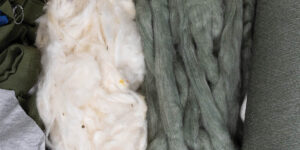
Our Digital Product Passport provides comprehensive traceability by documenting the product’s origin, materials, and lifecycle impact, ensuring full transparency for businesses and consumers. Additionally, the AWARE™ tracer is embedded in our fabrics, allowing real-time verification of material authenticity and recycled content. The IQONIQ recycled cotton is made from cutting waste. Recycled polyester is made from PET bottles.
Currently, there are no commercially viable methods for recycling post-consumer cotton garments into high-quality yarn. One of the main challenges is the multi-material of old garments, which often include prints, fibre blends and synthetic components that complicate recycling methods. Moving toward the use of durable recycled materials in garment production is an important step, as it makes sorting and processing easier and improves the chances of recovering high-quality fibres.
By choosing IQONIQ’s durable recycled materials promotional clothing, businesses can make a real impact—both in their branding and in their commitment to responsible apparel.